Is a 10 Year Old Car with Low Miles a Good Idea
Yes, it's usually a good idea, as long as low mileage is backed up by good maintenance and a clean history.
Low miles help, but how the car was kept matters just as much
A ten year old car with low miles has avoided a lot of the wear that normally drives up repair costs, things like worn suspension, tired brakes, and engine strain from constant stop and go driving. That's a real advantage. Insurers and mechanics both know that mileage is one of the clearest signs of how much life is left in a car, so a low number works in your favor when you're evaluating cost over time.
But mileage alone doesn't tell the whole story. A car that sat unused for long stretches can develop its own problems, dried out seals, cracked hoses, a battery that's degraded from disuse rather than use. So the low odometer reading is a good starting point, not the final answer. What matters alongside it is whether the car was driven occasionally and properly maintained, or parked for years without much attention.
Insurance cost for a car like this depends less on the mileage itself and more on the car's value, its safety features, and how expensive it is to repair. Some older models have scarce parts or no longer have crash test data insurers weigh heavily, which can affect your rate in ways that feel disconnected from the car's condition. This varies by insurer, so it's worth checking how a specific make and model is rated before you commit.
Where this plays out differently is with cars that have specialty status, like limited production models or cars with collector value. Those can carry different insurance rules entirely, sometimes better, sometimes requiring specific coverage types. If you're looking at something unusual, check with your state or an insurer directly rather than assuming standard rules apply.
A sedan with low miles but a decade of sitting in a garage
Say you find a ten year old sedan with mileage that looks almost too good to be true, the kind that suggests the previous owner barely drove it. Before deciding, you'd want the maintenance records, not just the mileage. If the oil was changed on schedule and the tires were rotated even when the car wasn't driven much, that's a strong sign it was cared for, not just parked and forgotten.
You'd also want a mechanic to look at the rubber components, the belts, hoses, and gaskets that degrade with age regardless of mileage. In this case, say the inspection turns up a brake line that needs replacing due to age, not use. That's a manageable fix, and after it's done, you have a car that drives like one with far fewer years on it, at a price that reflects its age rather than its condition. The insurance cost ends up reasonable too, since the car's safety ratings and repair costs are well established despite its age.

Now that you know what to check, compare quotes for the specific car you have in mind.

Whether you get a full inspection before buying
If you do
A mechanic checks the parts that degrade with age regardless of mileage, like belts, hoses, and seals. You find out if the low miles reflect real care or just years of sitting unused. You buy with a clear picture of what repairs are coming soon, and you can negotiate the price or walk away.
If you don't
You're relying entirely on the odometer and how the car looks, which hides age related wear that mileage doesn't show. A car that looks clean can still need expensive repairs within months. You risk paying for a problem shortly after buying, one an inspection would have caught before you handed over any money.
Does a 10 year old car cost more to insure than a newer one?
Not necessarily, and often it costs less, since insurance is based heavily on the car's value, which has usually dropped significantly after a decade. What can push costs up is if parts are expensive or hard to find, or if the model lacks modern safety features insurers factor into their rates. Check how your specific make and model is rated before assuming age alone lowers your cost.
How many miles is actually considered low for a 10 year old car?
There's no single number, since it depends on how the car was used, but a common reference point is far less than what a decade of average yearly driving would add up to. What matters more than hitting a specific figure is whether the mileage lines up with a consistent maintenance history. A car with low miles and gaps in its records is less reassuring than one with slightly more miles and full documentation.
Should I get a vehicle history report before buying an older car?
Yes, it's one of the most useful steps you can take, since it shows accidents, title issues, and ownership changes that mileage alone won't reveal. This matters especially with older cars, where a history report can explain why the mileage is low, long term single ownership, for example, versus a red flag like flood damage. Pair it with a mechanic's inspection, since the report won't catch everything a hands on check will.
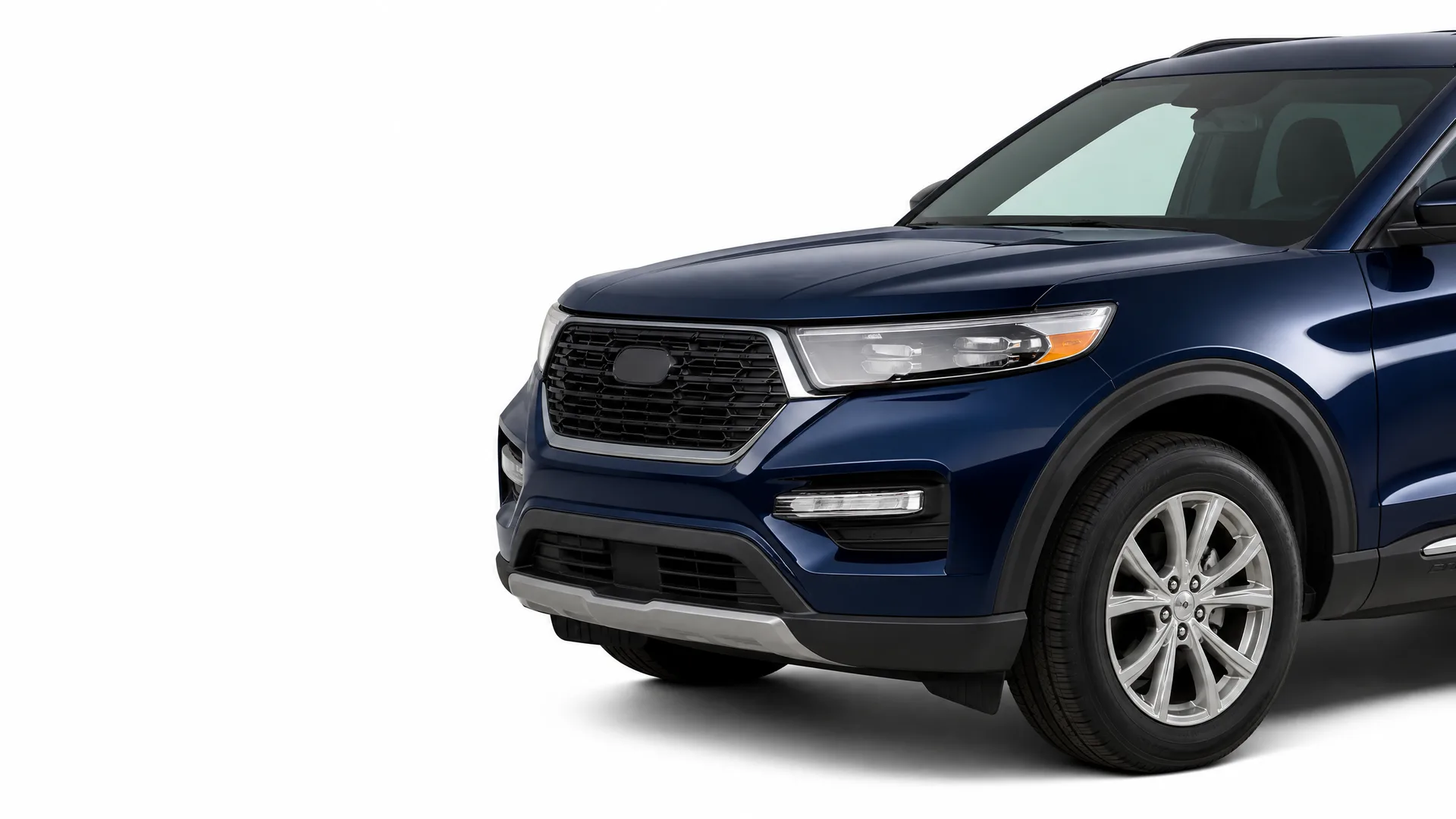
The real question isn't the mileage, it's whether the car was actually cared for during those years.