
Is It Cheaper to Insure Newer or Older Cars
It depends on the car's value and repair cost, not simply whether it's new or old, so the answer changes case by case.
The price follows the car's value and repair cost, not its age
Insurers set your price mainly on what the car is worth and what it costs to fix or replace. A newer car usually carries a higher value, so comprehensive and collision coverage cost more because a totaled or damaged newer car costs more to repair or replace. An older car has a lower value, so those same coverages often cost less because there is less to pay out if something happens.
But liability coverage, the part that pays for others if you cause an accident, has almost nothing to do with your car's age. It's based on you, your driving record, where you live, and how much coverage you carry. So an older car does not automatically mean a cheaper overall policy, especially if liability makes up a large share of your premium.
Parts and labor costs also matter. Some older cars use parts that are harder to find or specialty labor that costs more per hour, which can push repair costs up even though the car itself is worth less. Some newer cars have advanced safety features that lower the chance of a claim in the first place, which can offset some of the higher repair costs.
What applies to your situation depends on your insurer's rules and your state's requirements for coverage, so the only way to know for certain is to look at your own quote with your specific car's details.

What actually moves your price up or down
- Car's market value This sets the ceiling for what comprehensive and collision will pay out. Check your car's current value, not what you paid for it, since that number drives this part of your cost.
- Repair and parts cost Some cars cost more to fix even if they are not worth much. Ask your insurer or a trusted mechanic how available and costly parts are for your specific make and model.
- Liability coverage amount This part of your bill stays about the same regardless of your car's age. Review how much liability coverage you carry and whether it still fits your situation.
- Safety and anti-theft tech Newer safety tech can lower your risk and your price. Ask your insurer directly whether your car qualifies for any safety-related discount.
- Need for full coverage If your car's value has dropped a lot, comprehensive and collision may cost more than they're worth. Ask your insurer to show the cost with and without those coverages.

Whether you check your own car's numbers before renewing
If you do
You ask your insurer for your car's current value and get a breakdown of what each coverage costs. You see exactly where your money goes, and you can decide with real numbers whether to adjust your coverage, keep your current car, or shop around with facts in hand.
If you don't
You keep paying whatever the renewal says without knowing if it matches your car's actual worth. You may be paying for coverage that no longer makes sense for an older car, or missing a discount a newer car would qualify for, and you won't know until you ask.
Now that you know what actually sets your price, compare quotes using your car's real value and coverage needs.
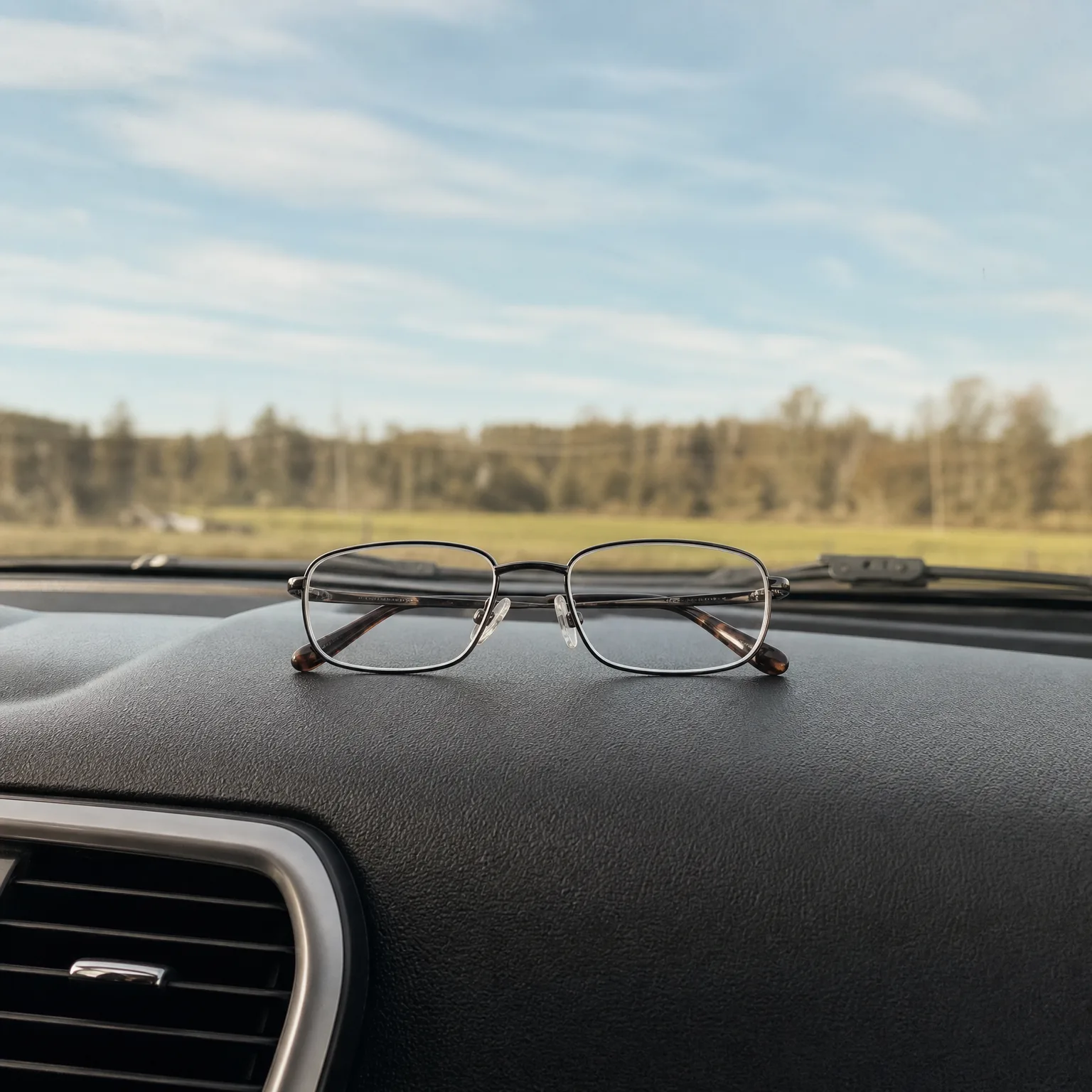
A driver compares her old sedan to a newer replacement
A driver in her early 80s had been driving the same sedan for over a decade. Her renewal went up again this year, and she wondered if trading it in for a newer, smaller car might actually cost less to insure. She called her insurer and asked for a side-by-side breakdown of her current car versus a newer model she was considering, covering both liability and full coverage.
The numbers showed her liability cost would stay about the same either way, since that was based on her driving record and coverage limits, not the car. But her comprehensive and collision cost would rise with the newer car because of its higher value, while dropping those coverages on her old sedan would lower her bill further since the car wasn't worth much to replace. She decided to keep her current car another year and dropped collision coverage on it, since the payout wouldn't have covered much anyway. Her overall premium went down, and she felt she'd made the choice with clear information instead of guessing.
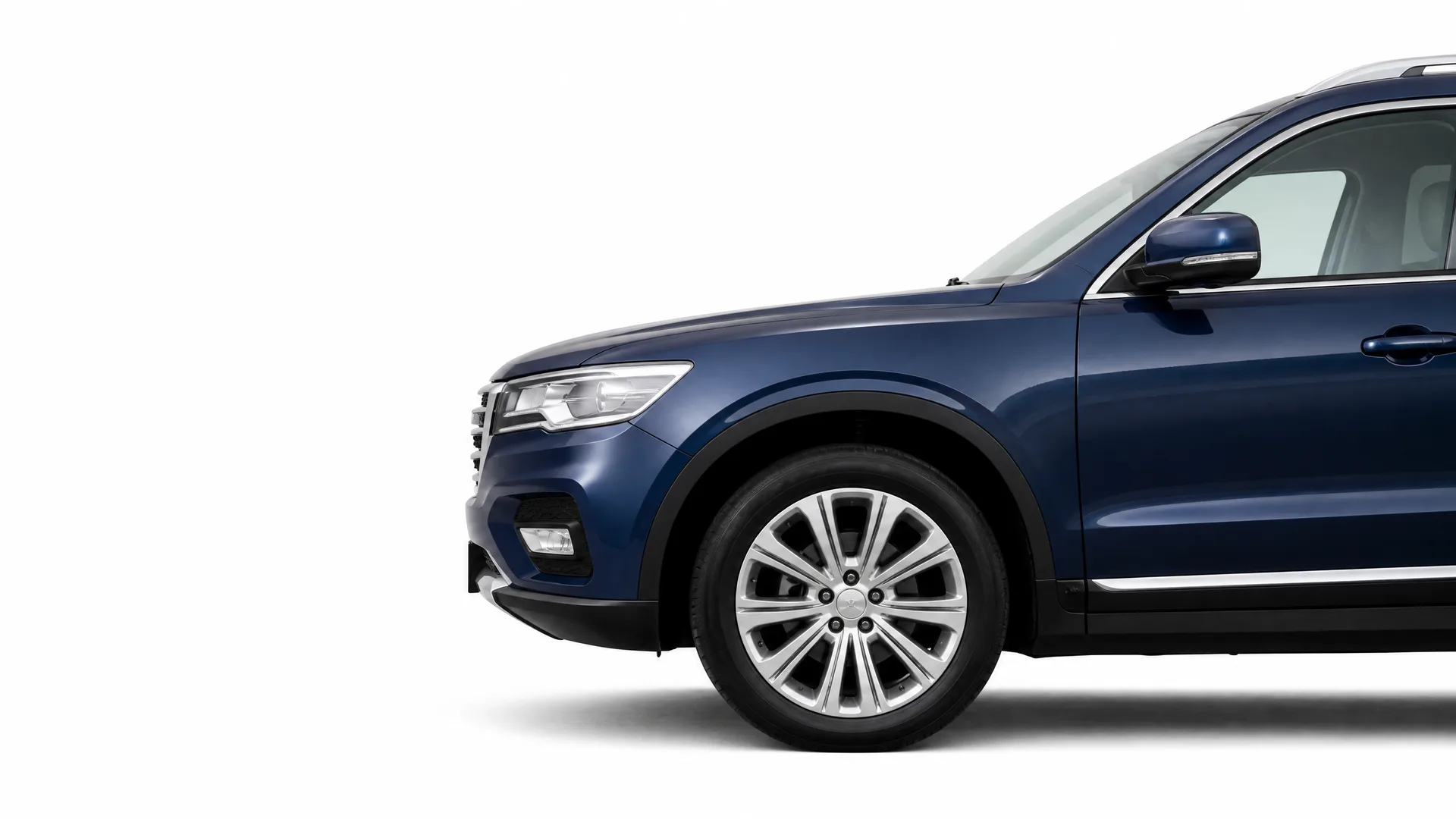
Your car's age is not the deciding factor. What it's worth and what it costs to fix is.
Should I drop coverage on my older car to save money?
It depends on what your car is worth and what you'd actually receive in a claim versus what you're paying for that coverage. If your car's value has dropped low enough, comprehensive and collision coverage might cost more over a year than the car would be worth if it were totaled.
Ask your insurer to show you the exact cost of those coverages next to your car's current value, and compare that to what you'd lose out of pocket if something happened. If you still owe money on the car or rely on it heavily with no backup, keeping fuller coverage may still make sense despite the cost. If it's paid off and you could afford to replace it yourself, dropping collision or comprehensive might free up money without leaving you exposed. Check with your insurer directly since rules on minimum required coverage vary by state and by lender if you still have a loan.