Is It Safe to Leave a Dashcam in a Car
Yes, it's safe to leave a dashcam in your car, and it can work in your favor if you ever need to file a claim.
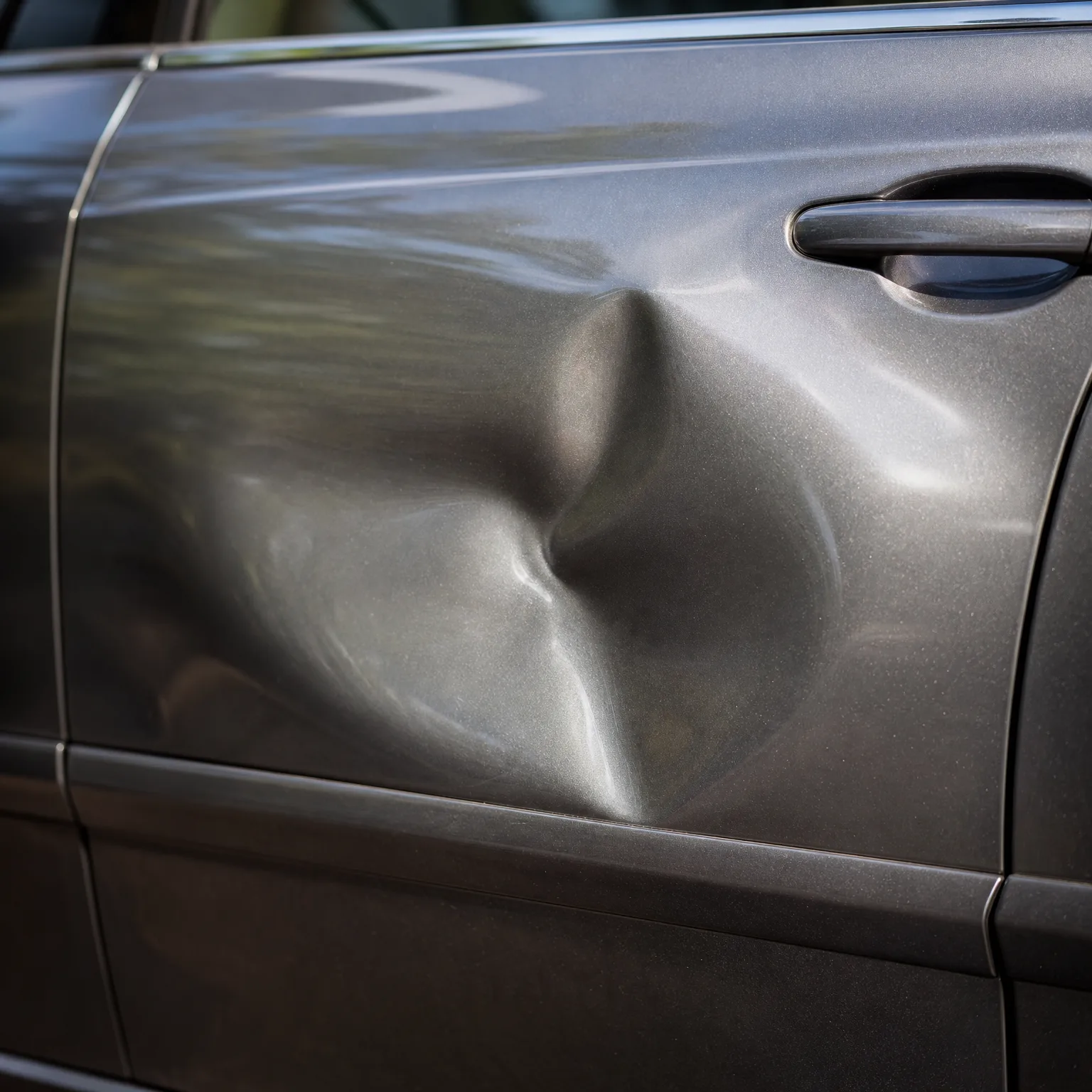
A fender bender at a four-way stop
You were stopped at a four-way intersection on the way to a doctor's appointment when another driver rolled through and clipped your bumper. The other driver insisted you had moved first, and for a moment it was your word against theirs. You stayed calm, exchanged information, and mentioned you had a dashcam running the whole time.
When you filed the claim, you sent the insurer a short video clip showing exactly what happened at the intersection. The claims adjuster reviewed it and settled the claim quickly, without any argument over who was at fault. Because the footage was clear, your insurer didn't need to split responsibility between you and the other driver, which kept your own record clean and avoided any effect on your renewal.
Will a dashcam lower what I pay for car insurance?
Not directly. Most insurers don't offer a discount just for owning a dashcam, because the device itself doesn't change how you drive or how risky you are to insure.
Where a dashcam helps is after something happens. Clear footage can settle a dispute faster, keep fault off your record when it isn't yours, and protect you from an unfair claim by someone else. That protection can matter more over time than a small discount would, especially since one avoided at-fault claim can keep your renewal from rising at all. Ask your insurer directly if they factor dashcam footage into claims handling, since practices vary by company.
Now that you know a dashcam is safe to keep, compare quotes to see how an insurer values that kind of evidence.

What to do once you decide to keep it installed
- Mount it out of your sightline A dashcam low on the windshield or near the mirror won't block your view of the road. Check your state's rules on windshield obstructions before placing it, since limits vary.
- Keep the cord tucked away A loose cord across your dash or seat can become a hazard if you brake hard. Run it along the edge of the windshield and under the trim so it stays out of the way.
- Watch for heat damage Cars left in direct sun can get hot enough to affect the camera or its battery over time. Crack a window or park in shade when you can, especially in warmer months.
- Know what footage you keep Some dashcams record over old footage automatically after a set time. Save any clip right away if you're ever in an incident, so it isn't erased before you need it.
- Tell your insurer you have one Mentioning your dashcam when you file a claim can speed things up if you have useful footage. Ask your agent how they prefer to receive video if you're ever unsure.
Why a dashcam doesn't create risk, only record it
A dashcam is a passive device. It doesn't steer the car, distract you, or change how the vehicle handles, so it doesn't add risk the way a loose item or a poorly mounted phone holder might. The only safety question is where and how it's installed, since anything that blocks your view through the windshield is a real hazard regardless of what the device is.
Insurers treat a dashcam as a tool for evidence, not as a factor in your risk profile. That's why it doesn't move your rate up or down on its own. What it can do is change the outcome of a specific claim, by giving the adjuster something clearer than two drivers' conflicting accounts of what happened.
The cases where it matters most are the ones involving a dispute. If you're rear-ended, cut off, or hit by someone who later changes their story, footage can settle the question of fault in minutes instead of weeks. Without it, some claims come down to each driver's word, and insurers sometimes split fault when they can't tell who caused the incident, which can affect your record even when you did nothing wrong.
There are limits worth knowing. A dashcam won't help if it wasn't recording, if the footage is too dark or shaky to make out details, or if your state has rules about recording audio inside the car that affect what you can legally capture. None of that makes keeping one unsafe, it just means the footage is only as useful as the conditions it was recorded in.
A dashcam protects you not by sitting there but the moment something happens and you need proof.