What Are Signs That I Might Be Too Old to Drive
The signs that matter are specific things that happen while you drive, not the number of years you've been driving.
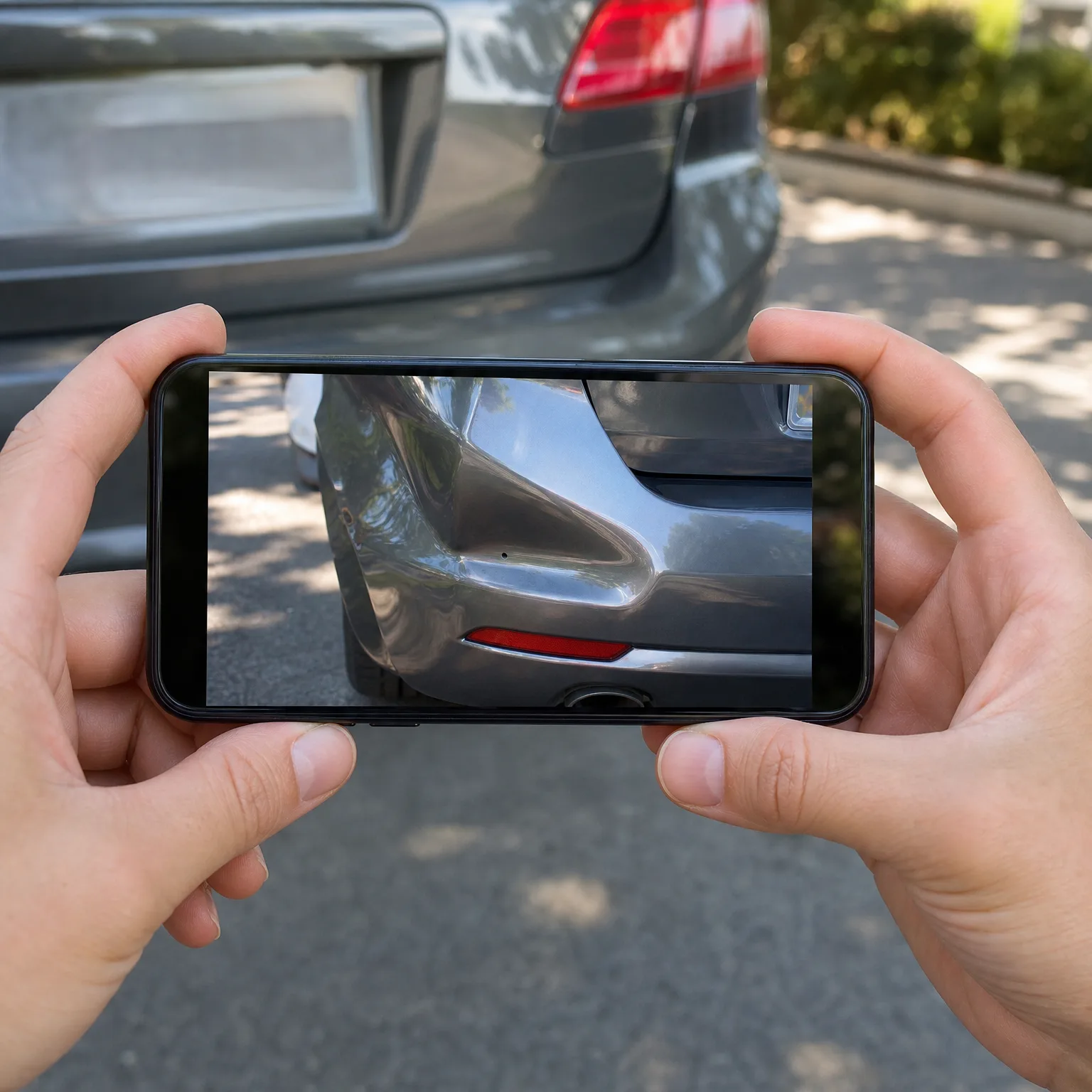
These specific signs matter more than age ever could
- New dents or scrapes Unexplained damage to your car, mailbox, or garage means something changed in how you judge space or react. Get your vision and reflexes checked rather than guessing why.
- Friends or family get quiet If people you drive with start gripping the door or suggesting they drive instead, they noticed something. Ask them directly what worried them instead of brushing it off.
- Trouble at intersections Hesitating at green lights, misjudging gaps in traffic, or confusing other drivers are warning signs, not nerves. These point to processing speed, which can be tested.
- Getting lost on known routes Missing a familiar turn once is nothing. Doing it repeatedly on roads you've driven for years can signal a change worth discussing with a doctor.
- A new diagnosis or medication Conditions affecting vision, reflexes, or alertness, or medications that cause drowsiness, change your driving even if you feel the same. Ask your doctor specifically about driving.

When a scraped mirror led to a real conversation
Frank clipped his side mirror on the garage door twice in one month, something that hadn't happened in all the years he'd lived in that house. His daughter mentioned it, carefully, and instead of getting defensive he asked her what else she'd noticed. She said he'd been braking later than usual and missed a stop sign on their street.
Frank scheduled an eye exam first, since that was the easiest thing to rule out. His vision was fine, but the exam led to a conversation with his doctor about his reaction time, and they adjusted a blood pressure medication that was making him groggier than he realized. Frank kept driving, but he also asked his daughter to tell him directly if she noticed anything else. He figured one honest conversation was better than finding out the hard way, and he'd rather hear it from her than from a police report.

Whether you get an honest driving check now
If you do
You find out early if something's changed, while there's still time to fix it or adjust. A vision correction, a medication change, or a refresher course can solve the problem entirely, and you keep driving with real confidence instead of quiet worry.
If you don't
Small changes go unnoticed until something forces the issue, a near miss, a ticket, or a family member who finally says something. By then the conversation is harder, and you've lost the chance to fix small problems before they become big ones.
Once you know what to actually watch for, compare quotes to see what safe driving at your age is worth.

Can my doctor report me to the DMV if they think I shouldn't drive?
In some states yes, doctors can or must report driving concerns, while in others it's voluntary or not permitted at all. Check your state's rules through your state's licensing agency. What changes the answer is the specific condition involved, since severe seizure disorders or sudden vision loss are treated differently than general aging.
What does a driving evaluation for older adults actually involve?
It typically includes a vision and reaction time check, a review of your medications, and sometimes a short supervised drive. Occupational therapists and some driving schools offer these evaluations, and they're meant to identify specific fixable issues rather than simply pass or fail you. Ask whether the evaluation includes a written report, since that's useful for both you and your doctor.
Will my insurance drop me if I report a health condition?
Usually not for reporting alone. Insurers care about your actual driving record and claims history, not a diagnosis by itself. What could change your coverage is a pattern of new accidents or violations following the diagnosis, so check with your insurer about how they handle reported conditions before assuming the worst.
Watch what actually happens when you drive, not how old you are, because the two aren't the same thing.