What Are the Best Cars for a Family of Two People
The best car for two people is the smallest, newest vehicle that still fits your driving, keeping both cost and risk low.
Why size and age drive the cost more than anything else
Insurers price a car by what it costs to repair, replace, or treat someone injured in it. A smaller sedan or compact SUV costs less on every one of those counts than a larger vehicle, so for two people, who rarely need the extra seats or cargo room, a smaller car almost always comes out cheaper to insure and to run.
Newer cars complicate this a little. They often carry more safety features, which can lower the chance of a claim, but they also cost more to repair because of that same technology, so the price difference between old and new is smaller than people expect. A car that's had some time to depreciate, but is still recent enough to carry modern safety systems, usually sits in the sweet spot.
What the car is used for matters as much as what it is. Two people who mostly drive around town have different needs than two people who regularly take long highway trips or carry grandchildren occasionally. If that second car in the household is rarely driven, that changes which vehicle should carry the better coverage and which can carry less.
State rules change some of this. Vehicle safety ratings, theft rates, and repair costs vary by location, and some states weigh one more than another in setting rates. Check with an agent or quote tool for your specific state before deciding, since the same car can price differently just a few miles apart.
What actually changes the price and the fit
- Vehicle size Smaller cars cost less to repair and insure. If you rarely need extra seats or cargo space, a compact or midsize model will almost always save you money.
- Safety features Modern safety systems can lower your risk of a claim. Look for automatic braking and lane warnings when comparing models, since insurers often price these in.
- Car age A car that's past its steepest depreciation but still carries modern safety tech often balances lower purchase cost against better protection. Avoid the very newest models unless the features matter enough to pay for.
- How often it's driven If one car sits most days, it may need less coverage than the one you drive daily. Tell your insurer the real mileage for each car, since usage affects price directly.
- Repair and parts cost Some brands and models cost more to fix even when they're the same size as others. Check repair cost estimates before buying, not just the sticker price.
Should we buy one car or keep two now that it's just the two of us?
That depends on how differently you two drive, not on cost alone. If your schedules rarely overlap, one car can work and will cost less overall, since you're paying for one insurance policy, one set of maintenance bills, and one depreciation curve instead of two.
But if you drive at different times, go different places, or want a backup in case one car is in the shop, two cars still make sense, especially if one is older and paid off. In that case, consider insuring them differently. A car driven rarely can often carry lighter coverage than your everyday vehicle, and insurers will usually ask how each car is used separately. The right answer is the one that matches your actual routine, not a general rule about what two people should own.
Once you know which car fits how you actually drive, compare quotes to see what it will really cost you to insure.

Choosing a smaller, newer car versus keeping what you have
If you do
You'll likely see lower premiums right away, especially if your current car is large or older without safety features. Repair costs drop too. The tradeoff is a purchase cost now, so weigh it against how many years you expect to keep driving and how much the insurance savings add up over that time.
If you don't
You keep your current costs and whatever coverage gaps or expenses come with an older or larger vehicle. There's no upfront cost, but you may be paying more every year than a differently sized car would require. It's worth asking your insurer directly what a smaller car would save you before ruling it out.
A couple comparing an SUV to a smaller sedan
A couple in their late 70s had an SUV they'd owned for twelve years, bought back when they still drove grandchildren around regularly. Now it was just the two of them, and the SUV had become expensive to insure and harder to park. They got a quote on a smaller sedan, a couple of years old, with modern safety features, and compared it against keeping the SUV.
The sedan's insurance premium came in noticeably lower, and repair cost estimates were lower too, since the parts were smaller and less specialized. They also realized they rarely used the SUV's extra cargo space anymore. They traded it in, kept their mileage about the same, and asked their insurer to confirm the new premium before finalizing the purchase, which caught a small error in how the car was classified and saved them even more.
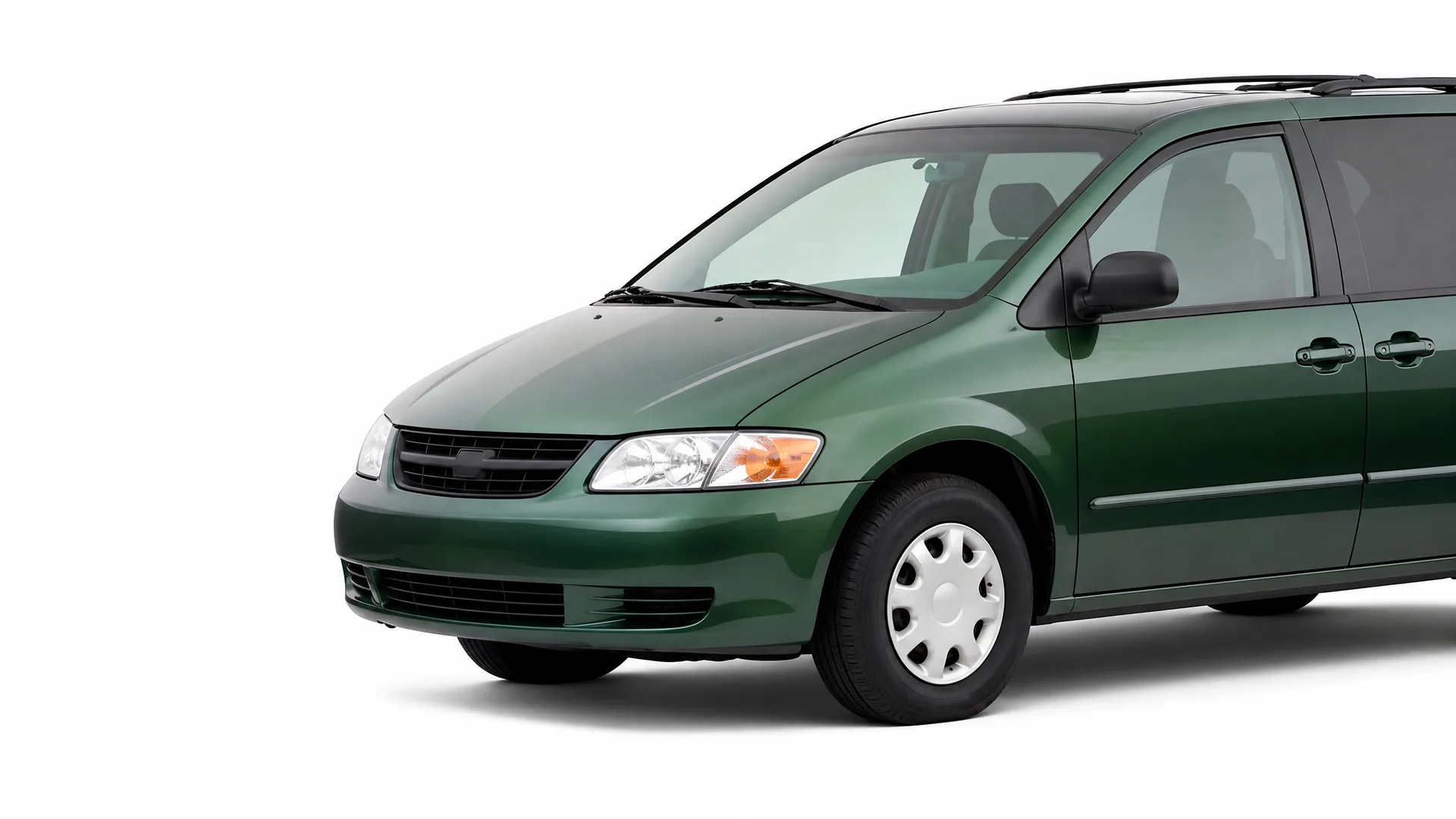
The car that fit your family years ago may be costing you today for space and capability you no longer use.