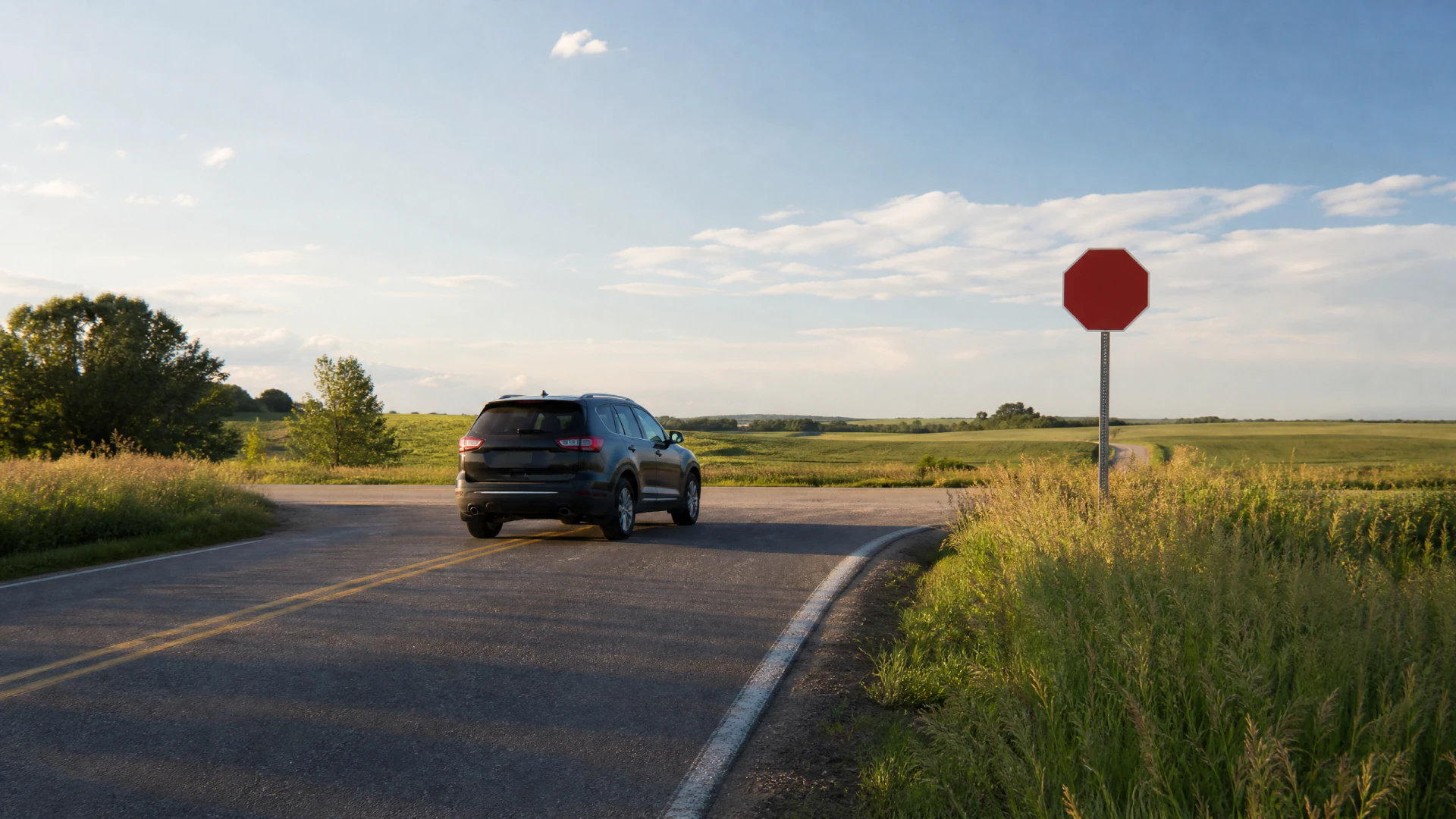
What Color Car Is Least Likely to Crash
No color meaningfully lowers your crash risk, so picking one for safety won't change your odds or your premium.
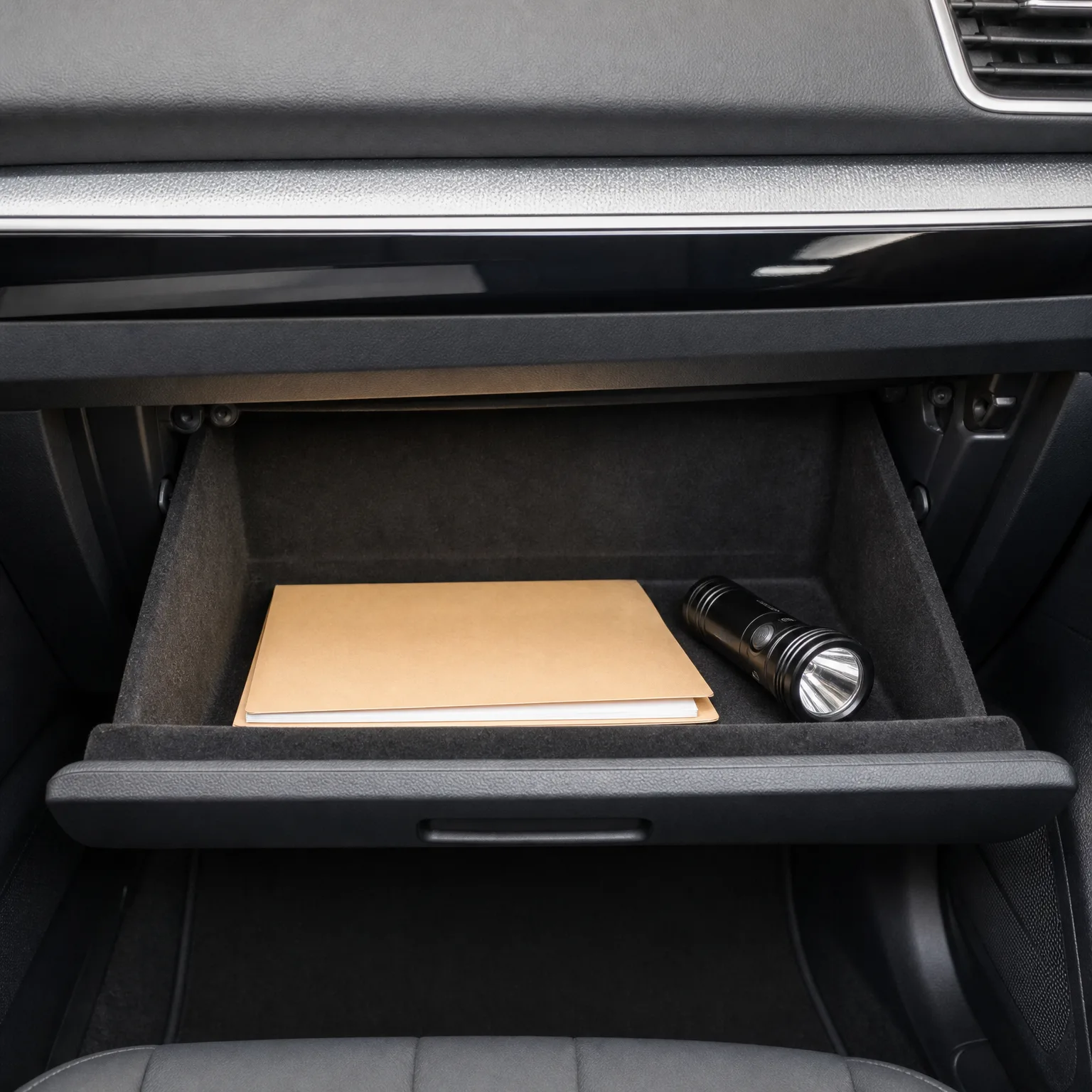
What actually changes your crash risk and your rate
- Visibility beats color A car that stands out in rain or dusk helps other drivers see you sooner. Light colors and bright trims help a little, but your headlights and following distance matter more.
- Color isn't on your rate form Insurers price you on your driving record, where you park, and how much you drive. Don't expect a quote to ask what color your car is, because it won't.
- Where you drive matters more Rural roads, intersections, and parking lots carry different risks than color ever could. Think about your regular routes instead of your paint job.
- Daylight hours lower risk Crashes concentrate in low light and bad weather. If you can shift errands to midday, you cut your real exposure more than any color choice would.
- Vehicle type outweighs color Visibility features like larger mirrors, backup cameras, and higher seating help more than hue. Ask about these features next time you're comparing cars.
A driver chases a lower rate by buying a white car
A woman in her early 80s had read that white cars crash less often and figured switching from her dark green sedan to a white one might lower her insurance bill. She called her agent before trading in the car to ask how much she'd save. The agent pulled up her policy and explained that color isn't part of how her rate gets calculated at all, and that switching wouldn't move the number.
Instead the agent walked through what was actually driving her premium, which included her driving record, how far she drove each year, and where the car was parked overnight. They found she qualified for a discount tied to low annual mileage that she hadn't claimed yet, since she'd cut back on evening trips over the past year. She kept her green sedan, applied the mileage discount, and ended up with a lower bill than the color switch would have ever given her, without buying a new car at all.
If color doesn't matter, why do I keep hearing that it does?
The idea comes from old insurance myths that never had real data behind them, plus some genuine but modest research on visibility. Certain studies found that harder-to-see colors show up slightly more often in daytime crash reports, mostly because other drivers notice them a beat later in traffic or at intersections. That's a real effect, but it's small next to things like speed, road type, and time of day.
Insurers don't collect or price on vehicle color because the effect isn't strong or consistent enough to build a rate around. What they do price on is your record, your mileage, and your vehicle's safety equipment. If you want to lower your real risk, focus on when and where you drive rather than what color the car is.
Since color won't move your rate, compare quotes based on what will, your record, mileage, and coverage choices.

Choosing a car based on color versus based on safety features
If you do
If you pick based on color alone, you might end up with a car that looks visible but lacks real safety equipment. You could miss out on features like better mirrors, cameras, or automatic braking that actually reduce your crash risk day to day.
If you don't
If you prioritize safety features over color instead, you get a car built to help you see and be seen in ways that matter, like wider mirrors and rear cameras. Your rate reflects the car's safety record, not its paint, so you save on real risk.
Does car color affect my insurance premium at all?
No, insurers don't use color as a rating factor anywhere in the pricing process. Your premium comes from your driving record, the car's make and model, where you live and park, and how much you drive. If an agent or quote tool ever asks about color, it's for repair estimates or theft records, not risk pricing. Check your declarations page if you're curious, color won't appear as a factor.
What vehicle features actually lower my crash risk as an older driver?
Larger side mirrors, backup cameras, blind spot warnings, and higher seating positions help the most. These features compensate for changes in neck mobility or peripheral vision that often come with age. When shopping for a car, ask the dealer to show you these features directly and sit in the car to test visibility yourself. Some insurers offer discounts for cars equipped this way, so ask when you get a quote.
How can I lower my insurance rate without buying a new car?
Ask about mileage-based discounts, defensive driving course credits, and bundling your policies with one insurer. Many insurers reward lower annual mileage, which often fits drivers who've scaled back evening or highway trips. A completed defensive driving course can also qualify you for a discount in many states, so check with your insurer directly since rules vary by state and by company.