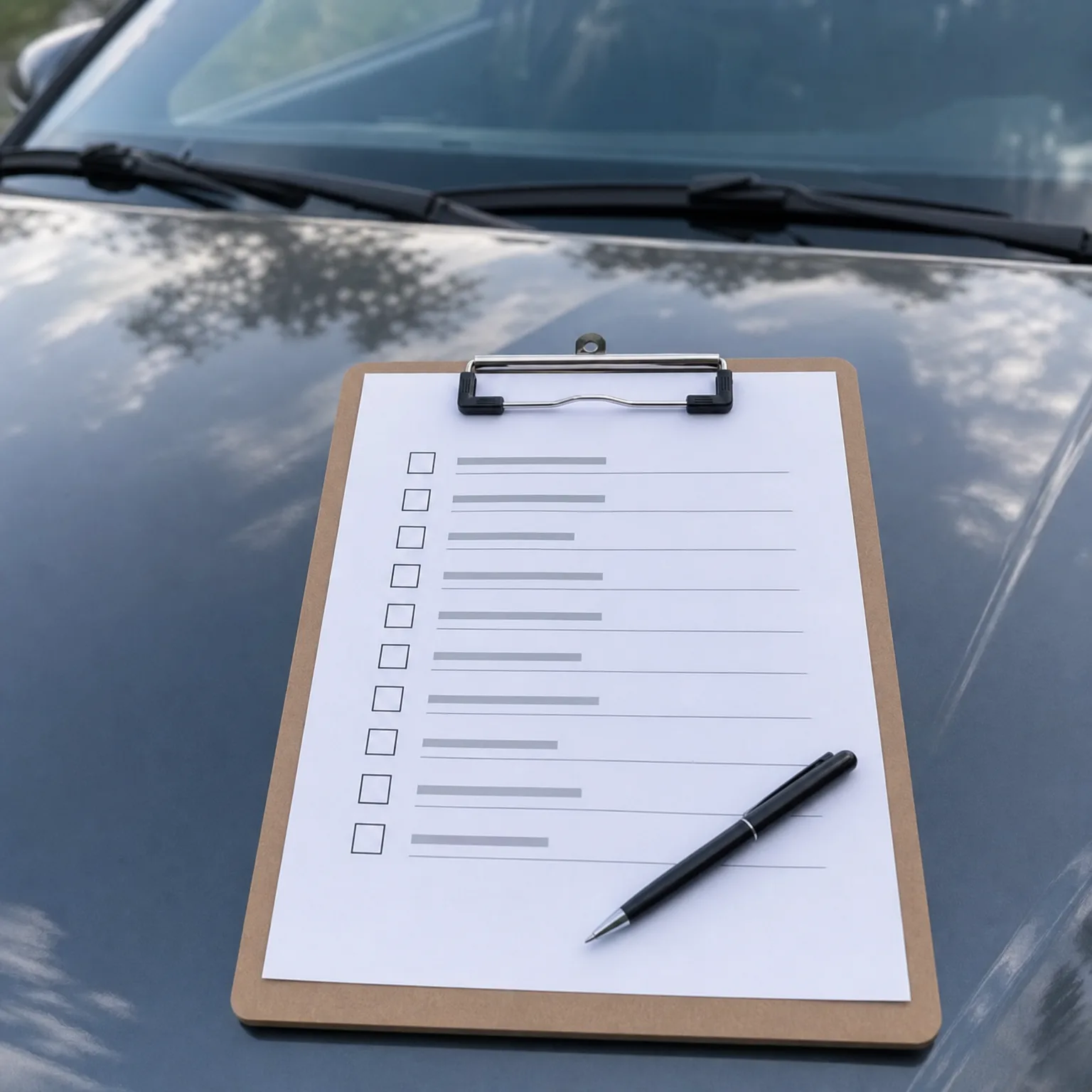
What Does a Driving Assessment Involve
A driving assessment checks your actual skills behind the wheel, not your age, through a short interview and an on-road or simulated drive.
It measures what you do now, not what your birthday says
A driving assessment exists because age alone tells an insurer or a licensing office almost nothing useful. Two drivers born the same year can have completely different vision, reaction time, and judgment. The assessment replaces guesswork with an actual look at your driving, which is why it usually carries more weight than a renewal form ever could.
Most assessments have two parts. First is a conversation or questionnaire about your health, your medications, your vision and hearing, and how often and where you drive. Second is an observed drive, either in your own car with an evaluator in the passenger seat, or in some cases a simulator that tracks reaction and attention. The evaluator is watching for specific things such as how you check mirrors and blind spots, how you handle turns and merges, and whether you follow signs and signals without hesitation.
What counts as passing varies by who is running the assessment. A state licensing agency is deciding whether you keep an unrestricted license or need conditions such as daytime-only driving. An insurer or a private evaluator is often deciding whether to confirm a safe-driver status that can hold down your rate. The standards aren't identical, so an assessment for one purpose doesn't automatically satisfy the other.
The outcome usually isn't pass or fail in a strict sense. Many assessments end in one of three ways: no restrictions, some restriction like avoiding highways or night driving, or a recommendation for further medical evaluation. A single rough moment, like missing one sign, rarely sinks the whole result. Evaluators are looking for a pattern, not a perfect run.

What actually gets checked during the assessment
- Vision and reaction screening This checks how well you see signs, movement, and hazards, and how fast you respond. Bring your current glasses or contacts and get a vision check beforehand if it's been a while.
- In-car or simulated driving An evaluator watches your mirror checks, turns, merging, and sign recognition in real traffic or a simulator. Drive your normal route style, don't perform for the evaluator.
- Health and medication review You'll be asked about conditions and medications that affect alertness or motor control. Have a simple list ready so you're not guessing in the moment.
- Decision-making under pressure They watch how you handle unexpected situations like a sudden stop or a confusing intersection. Staying calm and deliberate matters more than reacting instantly.
- Written or verbal rules review Some assessments include questions on current road rules and right-of-way situations. Rules change over time, so a quick refresher on your state's current manual helps.

Whether you schedule the assessment now
If you do
You get a clear, current picture of your driving before anyone else raises the question. If it goes well, you have documentation to show family or an insurer. If something needs adjusting, you find out early enough to fix it, like updating glasses or avoiding night drives, while you still control the timeline.
If you don't
The question doesn't go away, it just waits. A renewal notice, a doctor's comment, or a family conversation may force the issue later, often at a worse moment. Without recent documentation, you're relying on others' assumptions about your driving instead of an actual record of how you drive.
With the assessment scheduled, compare quotes so your rate reflects the safe driver you actually are.

A driver preparing for a scheduled assessment
A driver in her early 80s had been renewing her license without issue for years, but a recent notice flagged her for an in-person assessment instead of a mail renewal. She hadn't had her vision checked in some time, so she booked an eye exam first and updated her prescription two weeks before the appointment. She also wrote out her current medications since she knew she'd be asked.
On the day of the assessment, she drove her usual car over a mix of local streets and one busier intersection she normally avoided. The evaluator noted she took a bit longer than average checking blind spots before merging, but handled every stop and turn correctly and never missed a sign. She left with an unrestricted result and a printed summary. She used that summary when her insurer asked for updated information at renewal, and her rate increase that year was smaller than the one before it.
Treat the assessment as proof you can gather on your own terms, not a test that happens to you.