What Happens if You Wait Too Long to Renew Your License
Waiting too long to renew can leave you without a valid license and without insurance coverage at the exact moment you need both.
A renewal notice that sat on the counter too long
A driver in her early 80s received her renewal notice but set it aside while she dealt with a string of doctor appointments. The deadline passed before she noticed, and she kept driving anyway because her car still ran and her routine hadn't changed. Weeks later, a minor parking lot fender bender brought a police report into the picture, and the report noted her license had expired.
Her insurer asked for proof of a valid license as part of the claim review, and because she didn't have one at the time of the accident, the claim was delayed while she sorted out a late renewal with her state's licensing office. She got her license reinstated within a couple of weeks, but the gap meant she paid for the repair herself in the meantime and had an uncomfortable conversation with her agent about what would happen if it occurred again. She renews the day the notice arrives now, and keeps a copy in her glovebox.
Does a lapsed license cancel your car insurance automatically?
No, your policy doesn't cancel the moment your license expires, but it stops protecting you the way you expect. Most policies require every regular driver on the car to hold a valid license, so an expired one creates a problem that surfaces at the worst possible time, during a claim.
Your insurer may still pay out, deny the claim, or pay and then nonrenew you later, and which one happens depends on your insurer's rules and sometimes your state's requirements. Ask your agent directly what your policy says about expired licenses, because the answer isn't the same everywhere and you want to know before anything happens, not after.

Once your license is current, compare quotes to make sure your coverage reflects the safe, licensed driver you are.

Renewing on time versus letting it slide
If you do
You keep driving without interruption, your insurance responds normally if something happens, and you avoid late fees or extra steps at the licensing office. Any vision or driving test your state requires gets handled on schedule, so there's no scramble later. Your record stays clean and simple.
If you don't
You risk driving on an expired license without realizing it, which can complicate a claim or a traffic stop. Your insurer may question coverage, your state may charge a late fee or require extra steps to reinstate, and the longer it sits, the more it can snowball into a bigger problem.
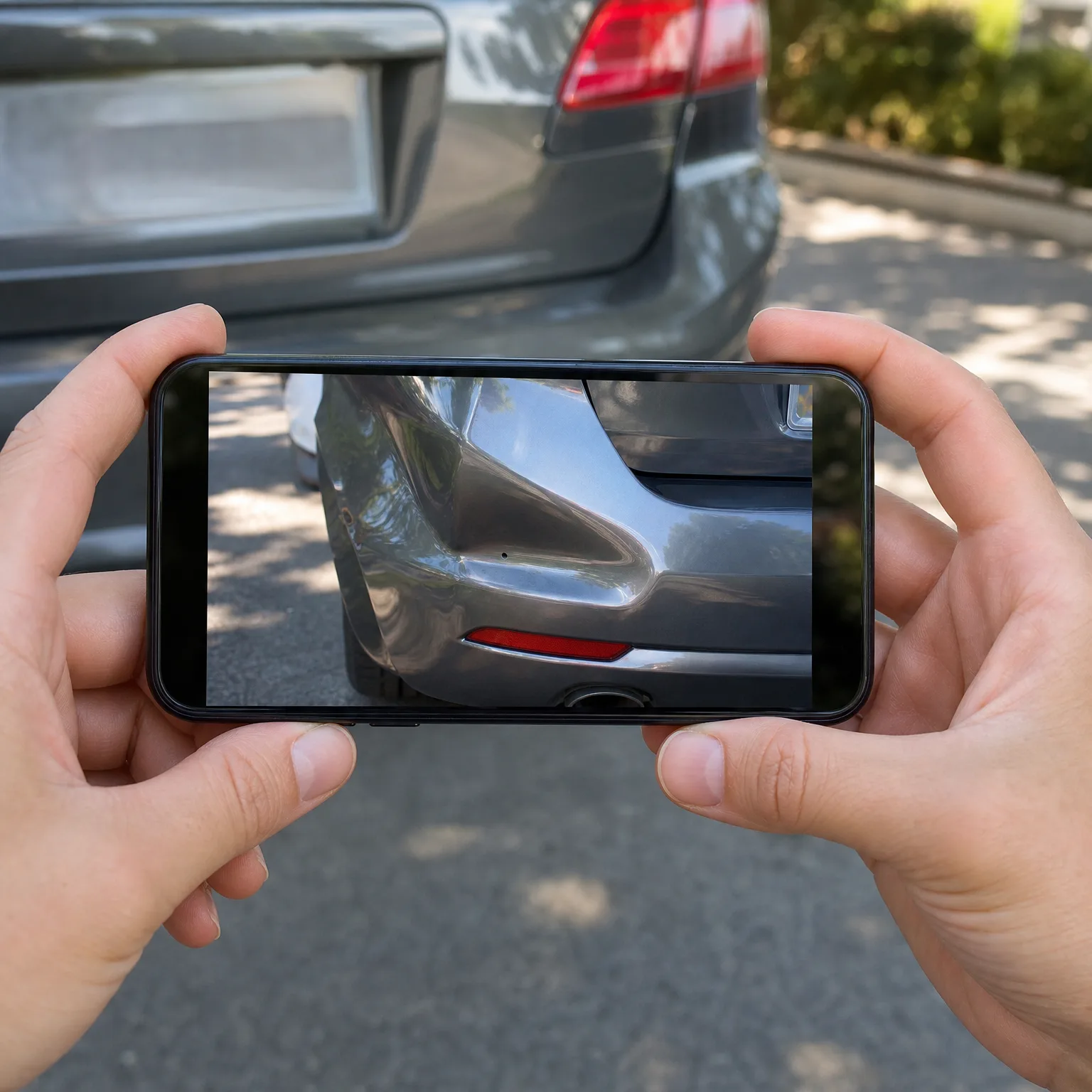
What a late renewal actually puts at risk
- Claims get complicated If you're in an accident while your license is expired, your insurer may delay or question the claim. Renew before the deadline so this never becomes a factor.
- Coverage can be questioned Some policies treat an expired license as a lapse in eligibility for that driver. Check with your agent now so you know exactly what your policy says.
- Reinstatement adds steps Letting it lapse often means extra paperwork, a possible retest, or a fee at the licensing office. Renewing on time skips all of that entirely.
- Premiums can still rise A late renewal doesn't fix or worsen your rate by itself, but any gap in valid licensing can come up when insurers review your file. Keep your renewal current to keep that question off the table.
- Family concerns grow louder A missed renewal date is the kind of thing that prompts others to ask if you should still be driving. Staying ahead of it keeps that conversation from starting.
Why the timing matters more than it seems
A license isn't just a card in your wallet, it's the thing your insurer and your state both rely on to confirm you're legally and currently qualified to drive. When it expires, that confirmation disappears even if nothing about your actual driving has changed. The risk isn't that you suddenly became unsafe, it's that the paperwork trail that proves your standing went quiet.
Insurers build their policies around drivers who meet their state's licensing requirements at all times. When a renewal lapses, some policies treat that gap as a technical break in eligibility, even for a driver with decades of clean history. This is why the consequences show up at the worst possible moment, during a claim, rather than as an obvious daily problem.
How strictly this gets enforced depends on your insurer and your state. Some states offer grace periods or simplified renewals for older drivers, including mail-in options that reduce the chance of missing a deadline. Some insurers are lenient about a short lapse if you renew quickly and nothing happened during the gap. Ask both your state's licensing office and your insurance agent what their specific rules are, because assuming leniency without checking is the actual risk here.
The cases where this works out fine are the ones where the lapse is short and nothing happens while it's open. But you don't get to choose when an accident occurs, which is exactly why renewing on schedule, rather than relying on a grace period you haven't confirmed exists, is the dependable approach.