
What Is a Good Car for a 70 Year Old
A good car for you is one that's easy to see out of, easy to get in and out of, and packed with safety features that catch small mistakes.
Comfort and visibility matter more than speed or style now
The reasoning starts with what actually changes as you get older. Reaction time slows a little, necks and shoulders get stiffer, and peripheral vision narrows. None of that means you're unsafe. It means the car should do more of the work it was always capable of doing, like warning you about a car in your blind spot or braking automatically if something darts out in front of you.
Seat height is a bigger deal than most people expect. A seat that sits higher off the ground, like in a crossover or small SUV, means less twisting and less strain getting in and out, and it also gives you a better view of the road ahead. Lower sports cars and sedans look sleek but they put you closer to the ground and closer to other vehicles' blind spots, which works against you.
Safety technology is where the real gains sit. Automatic emergency braking, blind spot warning, and lane keeping assist all compensate for exactly the kind of small, gradual changes that come with age. These features used to be expensive options. Now they're standard on many models, which means a good choice for you doesn't have to mean an expensive one.
Where this plays out differently is health and mobility. If you have arthritis, limited neck rotation, or trouble with pedals, the right car shifts toward wider door openings, simpler controls, and possibly adaptive equipment. A car that's great for one 70 year old might be wrong for another, so the real test is how it feels when you sit in it and drive it yourself, not how it's rated for someone else.
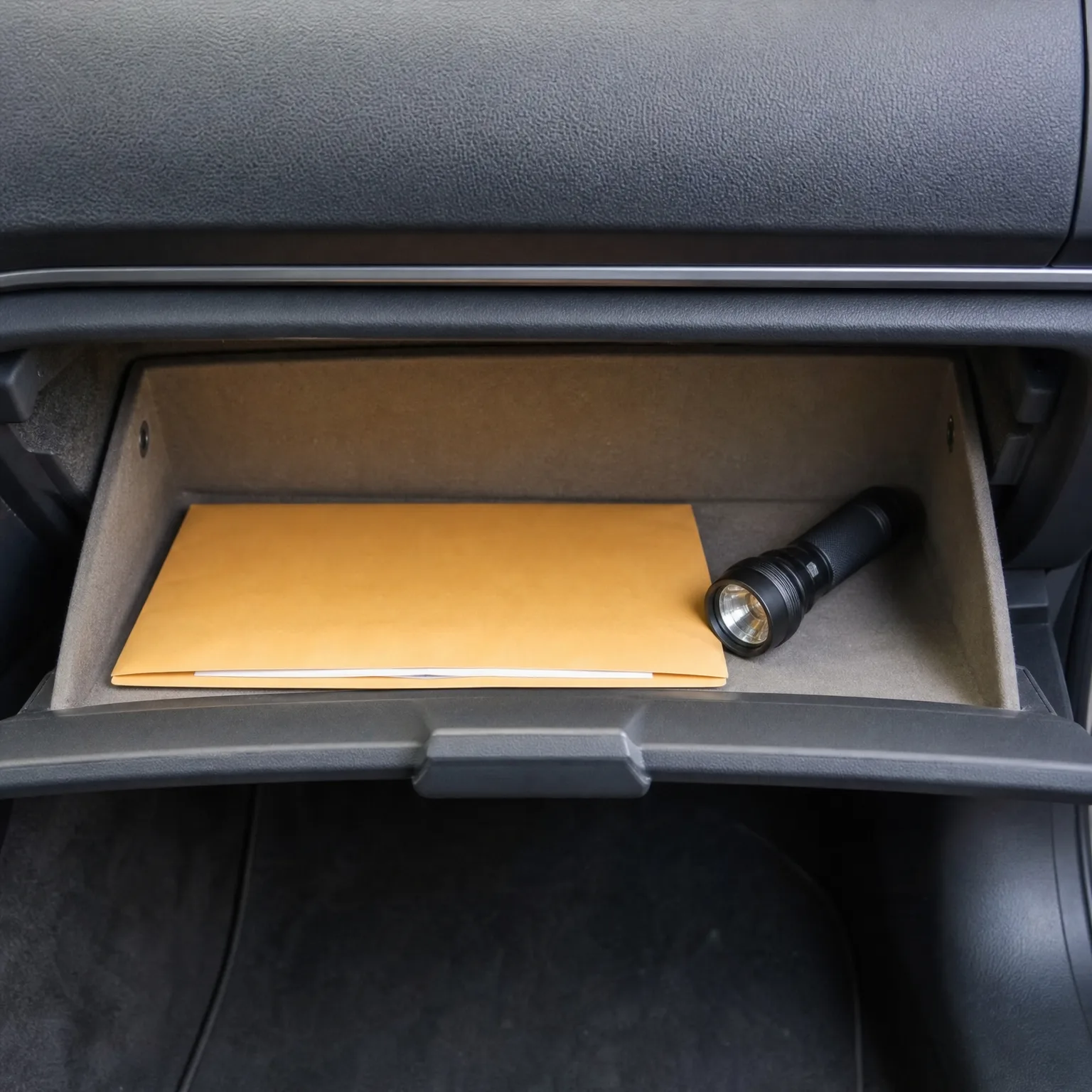
What to look for when you're choosing
- Seat height A higher seating position means less strain getting in and out and a clearer view of the road. Test it in person before you decide.
- Standard safety features Automatic braking and blind spot warning catch things you might miss. Ask the dealer which features come standard versus as paid options.
- Simple, visible controls Large buttons and a dashboard you can read at a glance reduce distraction. Avoid touchscreen-only systems if they're hard for you to use while driving.
- Visibility all around Big windows and a shorter hood make it easier to judge distance and spot pedestrians. Sit in the driver's seat and check your sightlines before buying.
- Insurance cost before you buy Some models cost noticeably more to insure based on repair costs and safety ratings. Get a quote on a specific car before you commit to it.
The car you drive can make up for age related changes before they cause a problem, so choose it on that basis.
Once you know what to look for, compare quotes on the specific models you're considering so cost doesn't surprise you.
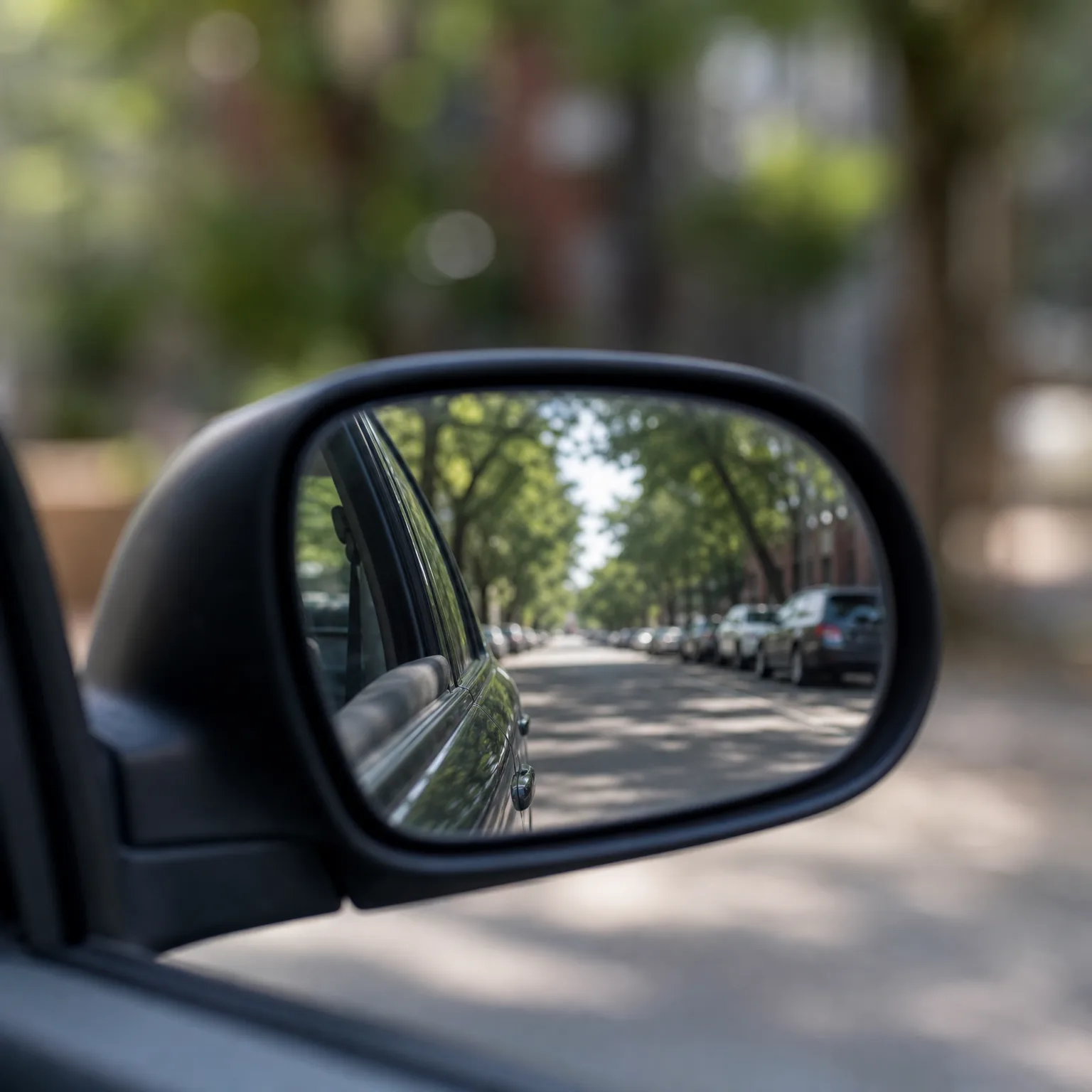
Choosing between a sedan and a small SUV
A driver we'll call Martha had driven the same sedan for many years and loved it, but her knees had started bothering her and getting in and out had become a daily annoyance. Her daughter suggested she look at something new, and Martha decided to test drive a few vehicles on her own terms rather than just replace what she had.
She sat in three small SUVs and immediately noticed the higher seat made getting in easier and gave her a better view over the hood. She also checked which models included automatic emergency braking and blind spot warning as standard equipment rather than paid add ons, since she didn't want to pay extra for safety features she considered essential. She settled on a model that had both comforts built in from the base trim. Before buying, she got an insurance quote on that exact model and compared it to her current policy, which let her see the real cost difference rather than guessing. The new car cost a little more upfront but she felt steadier behind the wheel and her insurer offered a slightly better rate thanks to the vehicle's safety ratings.

Do seniors pay more to insure an SUV than a sedan?
It depends on the specific model, not the body style alone. Insurers price based on repair costs, safety ratings, and how often a model is involved in claims, so some SUVs cost less to insure than some sedans. Check a quote on the exact trim and model you want before assuming either type costs more. This is the only way to know for sure, since generalizations about SUVs versus sedans don't hold up model to model.
What car features help with arthritis or limited mobility?
Wider door openings, keyless entry, and adjustable seats with memory settings help the most. Push button start removes the need to twist a key, and some cars offer adaptive pedals or hand controls if needed. Look for models with lower door sills too, since stepping over a high sill can be harder than the seat height itself. Test these features in person, since what helps one person's hands or knees may not match another's exact limitations.
Should I buy new or used as an older driver?
A newer used car often gives you modern safety features at a lower price than buying brand new. Safety technology like automatic braking became common enough recently that even a car that's been on the road for a while may include it standard. Check the specific model year the features you want became standard, since this varies by manufacturer. If budget is tight, this is usually the better path than a brand new base model without those features.