What Is a Good Car for an Older Driver
A good car for an older driver is one that's easy to see out of, easy to get in and out of, and loaded with modern safety features.
Visibility, ease of use, and protection matter more than size
The vehicles that work best for older drivers share a few traits that have nothing to do with how new or expensive they are. A higher seat position, good sightlines out every window, and a dashboard that isn't cluttered with tiny controls all reduce the moment-to-moment effort of driving. That matters because the harder a car is to see out of or operate, the more mental energy it takes to drive it safely, and that energy adds up over a long errand run or a drive at dusk.
Modern safety features matter just as much as the car's physical design. Automatic emergency braking, blind spot warning, and rear cross-traffic alert all compensate for the slower reaction times and reduced peripheral vision that come with age, the same way reading glasses compensate for presbyopia. These aren't luxury extras anymore. Most new vehicles include some version of them, and insurers often recognize that with better pricing because the features measurably reduce crash risk.
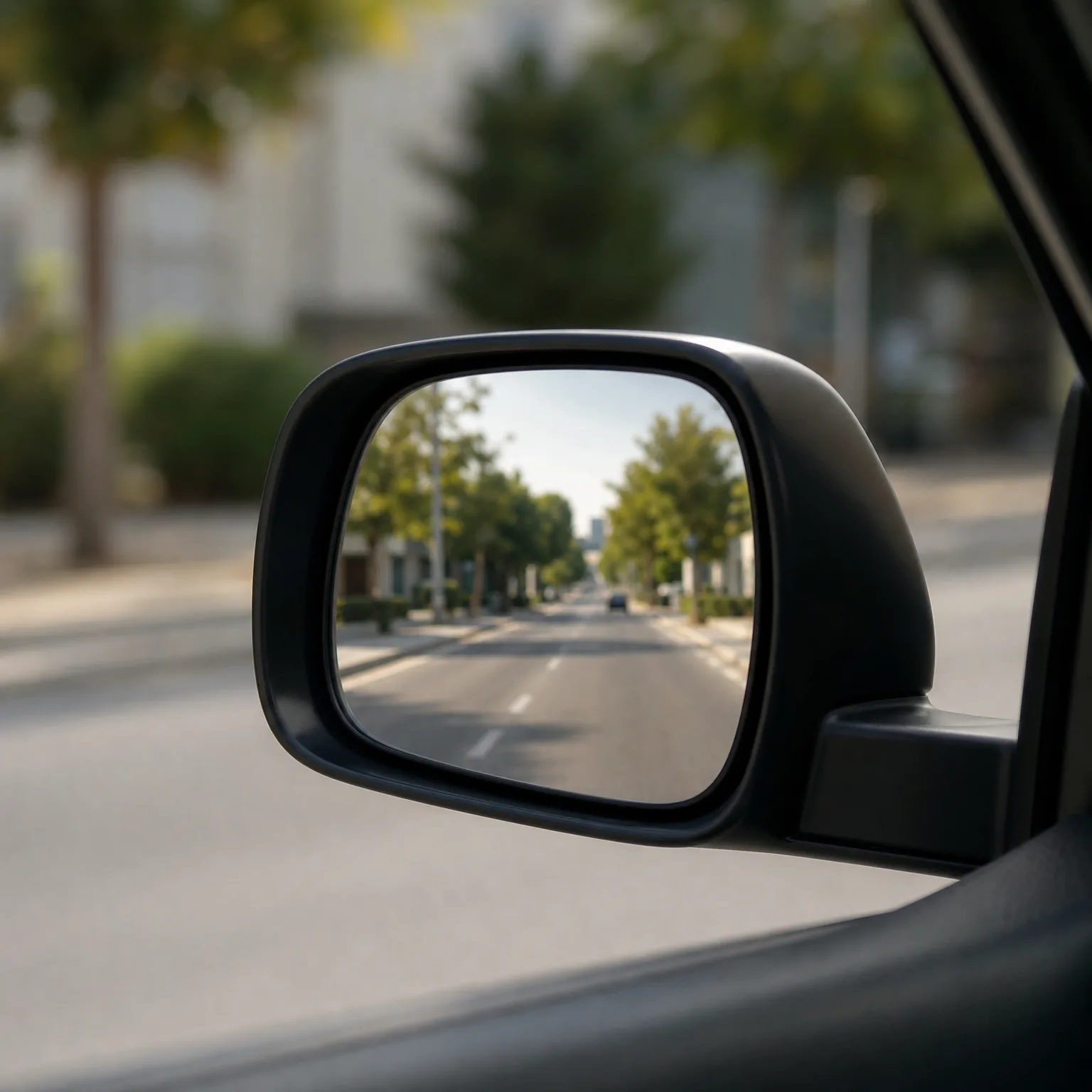
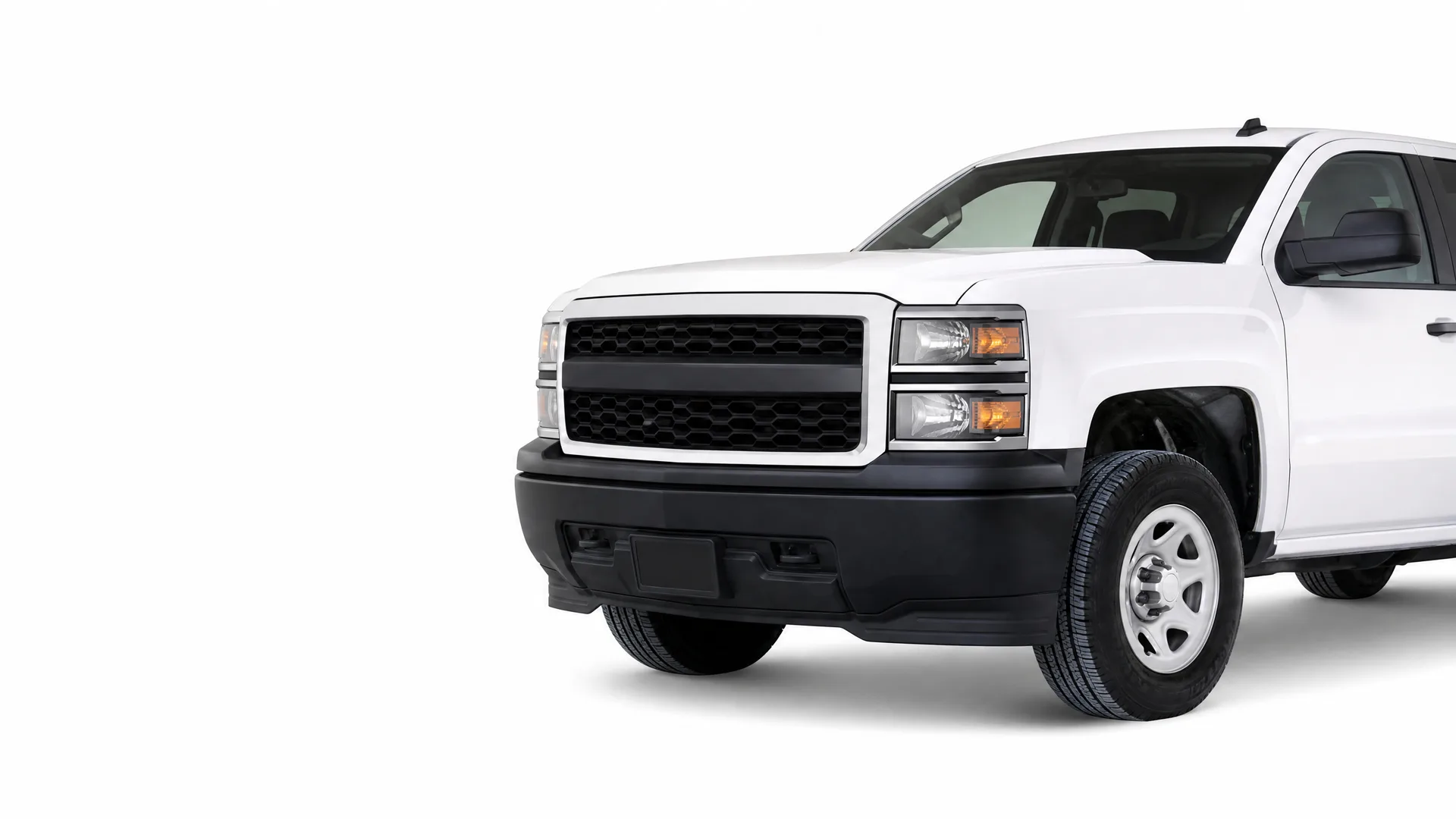
Size is more complicated than bigger is safer. A larger vehicle can offer more crash protection, but it can also be harder to park, harder to maneuver, and harder to see around, especially for a driver who has lost some flexibility in turning to check mirrors or blind spots. A midsize sedan or crossover with a high seating position often gives you better visibility and easier handling than either a very small car or a very large SUV, while still offering solid protection.
Where this plays out differently is health and mobility. A driver with hip or knee limitations may need a car with wide-opening doors and a seat height that doesn't require climbing up or dropping down. A driver with vision changes may prioritize a simpler dashboard over a touchscreen full of menus. There's no single best car, there's a best car for the specific body and habits of the person driving it, and that's worth testing in person before deciding.
Choosing between a sedan and a crossover after a knee replacement
A driver in her early 80s had been driving the same sedan for over a decade when a knee replacement made getting in and out of the low seat genuinely difficult. She wasn't ready to stop driving, but she also didn't want a vehicle that made every trip to the pharmacy a production. She test drove a few options with her daughter, focusing specifically on seat height and door width rather than brand or style.
She ended up choosing a compact crossover with a seat that let her slide in at hip height instead of lowering herself down. It also had a wider windshield and larger side mirrors than her old sedan, which she noticed immediately when merging onto a highway she'd driven for years. When she called her insurer to switch vehicles, the agent mentioned that the crossover's automatic emergency braking and blind spot monitoring qualified it for a safety feature discount, which offset some of the cost difference. She kept driving on her own terms, just in a vehicle that worked with her body instead of against it.

Whether you test drive before you decide
If you do
You find out firsthand if the seat height, door width, mirror placement, and control layout actually fit your body and habits. Problems that aren't obvious from a brochure, like a blind spot by the pillar or a touchscreen hard to read in sunlight, show up immediately and save you from a costly mismatch later.
If you don't
You're relying on specs and reviews written for an average driver who may not share your height, flexibility, or vision. A car that looks ideal on paper might have a seat that's too low, mirrors that don't suit your sightlines, or a dashboard that's more distracting than helpful once you're actually driving it daily.
Once you know what kind of car fits how you drive now, compare quotes to see how much that choice can save you.

Will switching cars raise or lower my insurance rate?
It depends on what you're switching from and to, but a newer vehicle with modern safety features often lowers your rate even though newer cars can cost more to insure outright. The safety feature discounts many insurers offer, along with better crash-avoidance technology reducing the chance you're ever in a claim, frequently outweigh the cost of insuring a newer model.
What raises your rate is usually a bigger jump in vehicle value or repair cost, like moving from an older sedan to a larger luxury SUV. What lowers it is often moving sideways, a similar class of vehicle but with more safety technology included. The only way to know for your specific situation is to get a quote on the exact vehicle you're considering before you buy it, since the difference between two similar-looking options can be larger than you'd expect.
The right car isn't the newest or safest-rated, it's the one matching your body and eyes as they are now.