What Is the Best Car for a 75 Year Old
The best car for you now is one that's easy to see out of, easy to get into, and backed by safety features that catch what you might miss.
Why these features matter more now than they used to
A car that suits you at 75 isn't about being older or slower on the road. It's about matching the car to how your body and eyes work now, which is different from years past, the same way your reading glasses prescription has changed over time. The right car reduces the physical and mental effort driving takes, so you stay sharper for longer and react faster when something unexpected happens.
Visibility is the biggest factor. Wide windows, a high seating position, and smaller blind spots mean you see hazards sooner, which gives you more time to respond. A low sports car that puts you at bumper height with other traffic makes every lane change and intersection harder work than it needs to be.
Safety features like automatic emergency braking, blind spot warnings, and backup cameras matter because they act as a second set of eyes. They don't replace your judgment, they back it up on the specific moments where a split second counts, like a car drifting into your lane or someone stepping out between parked cars. Insurers often recognize these features too, so a well equipped car can help with cost as well as safety.
Where this changes is your own driving pattern. If you mostly drive short distances in town at moderate speeds, you may not need the same highway-focused features as someone doing long interstate trips. Think about the driving you actually do, not driving in general, and let that guide which features matter most to you.
The short version
The best car for you prioritizes visibility, easy entry and exit, and modern safety features like automatic braking and blind spot warnings. These reduce effort and give you more time to react. Next, make a list of the driving you actually do, then test drive a few models focused on sightlines and ease of movement.
What to prioritize when choosing your next car
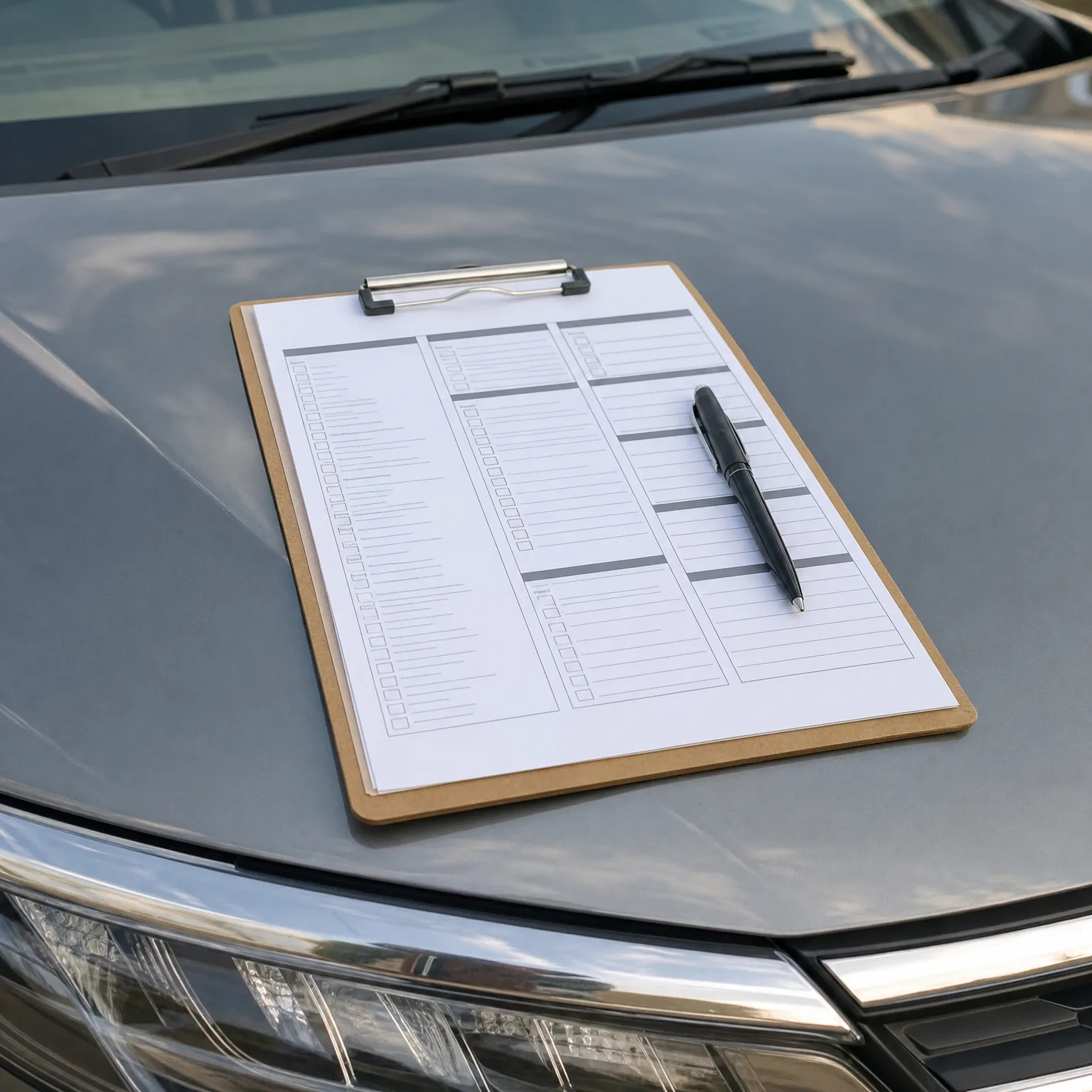
- Seat height and entry A seat that's easy to slide into without bending or hauling yourself up reduces strain every single trip. Test this in person rather than trusting a spec sheet.
- All-around visibility Wide pillars and small windows hide more than you'd expect. Sit in the driver's seat and check mirrors and over-the-shoulder views before you decide.
- Automatic safety features Automatic emergency braking and blind spot alerts act as backup for moments attention alone can miss. Ask specifically which of these come standard, not just offered as an option.
- Simple, familiar controls A dashboard that's intuitive means less distraction while driving. Avoid touchscreen-only systems if you prefer physical buttons and dials.
- Size that fits your trips A smaller car is easier to park and maneuver if most of your driving is local errands and appointments. Choose based on your actual trips, not worst-case scenarios.
Once you know what car fits you best, compare quotes to see how your choice affects your rate.

Choosing a car built for how you drive now
If you do
You get a car that reduces daily strain, with better sightlines, easier entry, and safety features that give you more reaction time. Trips to appointments, errands, and visits stay simple. Over time this can also mean fewer close calls and steadier insurance costs, since insurers often favor well equipped, safer vehicles.
If you don't
You keep driving a car that may demand more physical effort and offer less warning before trouble, like a low seat, tight sightlines, or no automatic braking. It still works, but every trip asks a little more of you than it needs to, and you lose an easy way to stay sharper behind the wheel.
Replacing a decades-old sedan with something easier to live with
A reader had driven the same mid-size sedan for a long stretch of years and knew it well, but getting in and out had become harder on her knees, and she'd had two recent moments where she didn't see a car in her blind spot until it was close. She wasn't ready to stop driving, she just wanted a car that worked better for her now.
She test drove a few compact SUVs, focusing on seat height and how easily she could see traffic without turning her whole body. She picked one with a higher seating position, a backup camera, and blind spot warnings, and skipped features she didn't need, like advanced navigation. The new car made getting in and out effortless, and the blind spot alert caught a car she would have missed twice early on. Her drives to church and her grandchildren's house felt noticeably less tense, and she kept doing both without anyone needing to raise the subject of her driving at all.