What Is the Best Vehicle for Nighttime Driving
The best car for night driving is the one you already own, with its headlights, mirrors, and windshield in top condition.
It's about what your eyes can use, not what's under the hood
A vehicle built for nighttime driving isn't a specific make or model. It's any vehicle where the systems that help your eyes do less work at night are working as well as they can. That means headlights aimed correctly and bright enough, a windshield without pitting or haze that scatters oncoming light, and mirrors that are clean and properly angled. These things matter more after your mid-seventies because your eyes need more light to see the same scene and recover more slowly from glare than they used to.
Newer vehicles often have brighter, more evenly spread headlights and screens that dim automatically, which helps. But an older sedan with fresh headlights and a clean windshield can outperform a newer car with foggy lenses and a cracked windshield. The condition of what you're driving counts for more than its age or price.
There are a few exceptions worth knowing. Some newer safety features, like automatic high beams or glare-reducing mirrors, do make a measurable difference for older drivers specifically, because they remove some of the adjustment work your eyes would otherwise have to do. If you're shopping for a new vehicle anyway, those features are worth asking about. But if you're not in the market, upgrading your current car's lighting and glass will usually get you most of the same benefit.
What varies is how insurers treat these upgrades. Some offer discounts for vehicles with certain safety features, others don't factor it in at all. Check with your insurer directly rather than assuming a newer car will automatically lower your rate.
The short version
The best vehicle for night driving is your current one, kept in good repair. Clean headlights, a clear windshield, and properly angled mirrors matter more than the car's age or brand. Start by having your headlights checked and aimed, since that's the cheapest fix with the biggest effect.
What actually changes how well you see at night
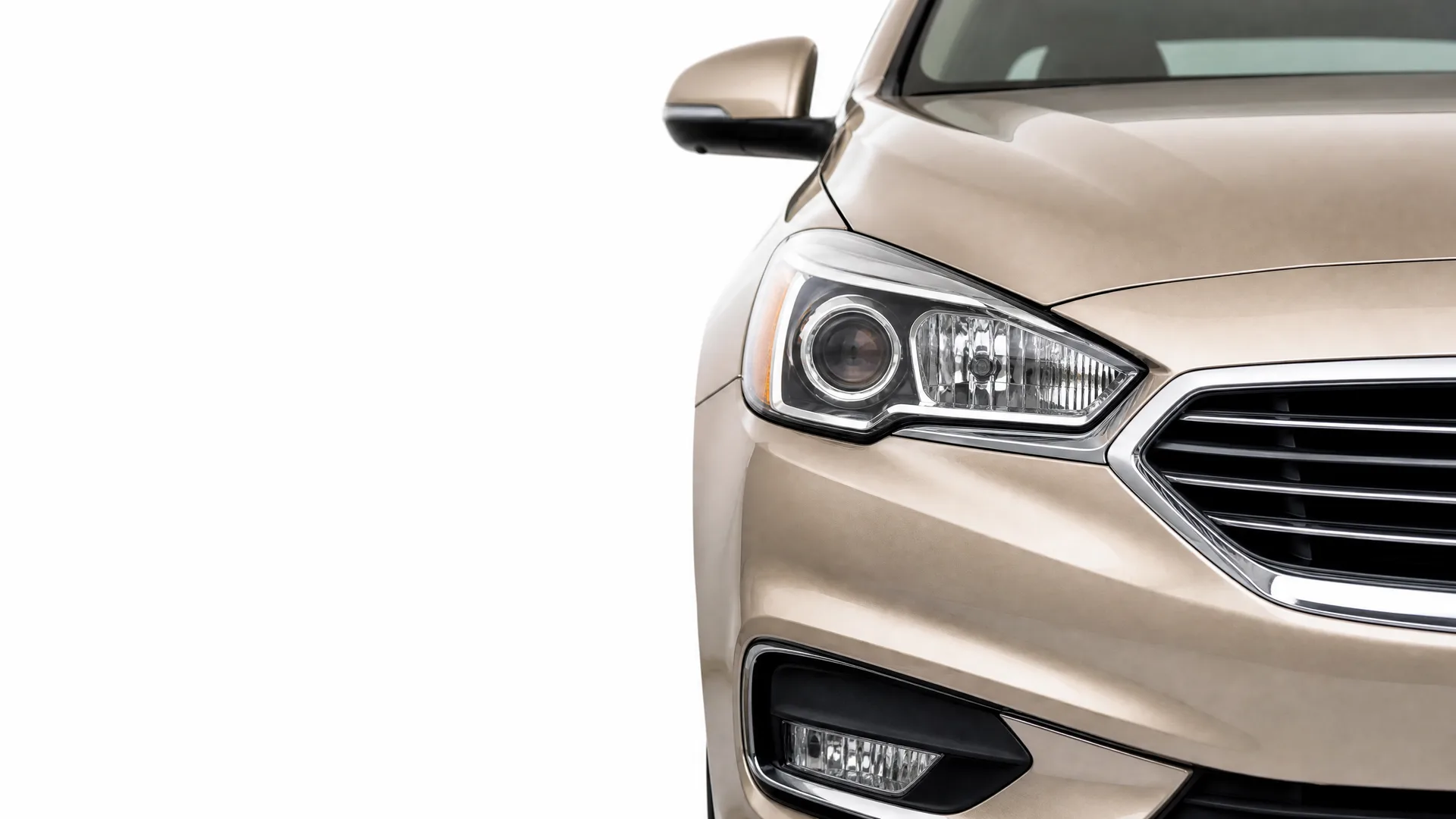
- Headlight condition Cloudy or dim headlight lenses cut how far you can see in the dark. Have them checked and restored or replaced if they look yellowed or hazy.
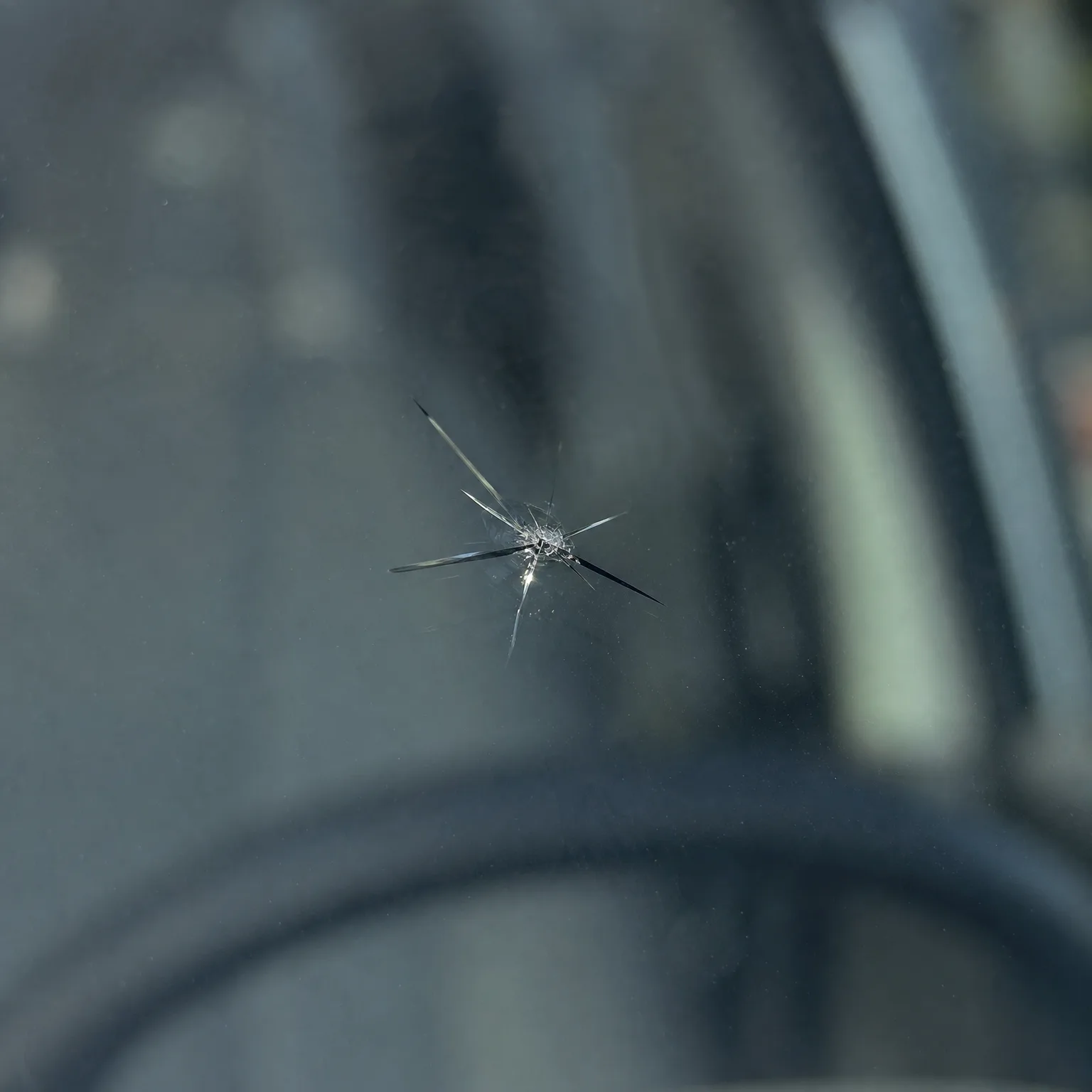
- Windshield clarity Small pits and scratches scatter oncoming headlights into a glare. Replace a worn windshield before replacing the car.
- Mirror glare Mirrors that aren't angled correctly bounce headlights straight into your eyes. Adjust them down slightly so following headlights hit lower in the mirror.
- Automatic high beams This feature switches your beams for you, which helps if you find the manual switch distracting at night. Ask about it if you're shopping for a new vehicle.
- Interior dash brightness A bright dashboard screen pulls your eyes away from the dark road ahead. Dim it as low as you can still read comfortably.
Once you know your vehicle is set up for night driving, compare quotes to see what that's worth on your rate.
A driver who assumed her car was the problem
Margaret, eighty-one, had started avoiding evening church events because oncoming headlights left her squinting and unsure of the lane edge. She assumed her aging car was simply too old and began looking at new vehicles, discouraged by the payments she'd be taking on in her eighties.
Before buying anything, she had a mechanic check her headlights and found both lenses had yellowed badly, cutting their output by a wide margin. She also learned her windshield had years of small pitting from highway driving. She replaced the windshield and had the headlights restored, and her night vision complaints mostly went away. She kept her car, kept her payment-free budget, and only afterward adjusted her mirrors slightly lower to cut glare from cars behind her. She's back to driving herself to evening services.
Night driving trouble is usually a maintenance problem wearing a car's name, not a reason to replace the car.
Does my insurance rate go down if I improve my car's night driving safety?
Sometimes, but not automatically. Insurers price mainly on your driving record, where you live, and the vehicle's overall safety ratings, not on whether you individually restored your headlights or replaced your windshield last month. Those fixes improve your actual safety and your confidence behind the wheel, which matters for your driving record over time, but they rarely show up as a line-item discount.
Where it can matter is if the vehicle itself has built-in safety features like automatic emergency braking or adaptive headlights, since some insurers do offer discounts tied to those systems being present on the vehicle. If you're already shopping for a new car, ask the insurer directly which features they recognize before you decide. If you're keeping your current car, the payoff from maintenance is in safety and comfort first, with any rate effect being a secondary bonus rather than the main reason to do it.